Record the New York access
Move hours, elevator or service entrance, certificate-of-insurance instructions, legal loading position, stairs, and carry distance.




A cross-country move works better when both addresses are planned before loading day. Esquire coordinates the New York building, the shipment, and Denver delivery details in one clear written scope.
Share the ZIP codes, inventory, access, and dates that are already fixed.
New York and Denver create very different working conditions for a moving crew. In practice, the departure may involve a freight-elevator slot and a loading position on a busy block. Delivery might lead to a downtown apartment, a townhouse entrance, or a driveway with its own limits. Those details belong in the plan before the truck is loaded.
The inventory ties the move together. It shows what needs packing, what may need disassembly, how much space the shipment requires, and what should arrive in each Denver room. For example, a newly added storage stop is not a footnote; it changes the job being quoted. The written estimate should change with it.
Move hours, elevator or service entrance, certificate-of-insurance instructions, legal loading position, stairs, and carry distance.
Rooms, closets, storage areas, artwork, fragile pieces, appliances, and furniture that may need preparation or disassembly.
Building contact, gate or garage clearance, unloading path, elevator reservation, parking instructions, and where each item belongs.
Pickup commitments, the agreed delivery window, closing or lease dates, storage needs, and any extra pickup or delivery stop.
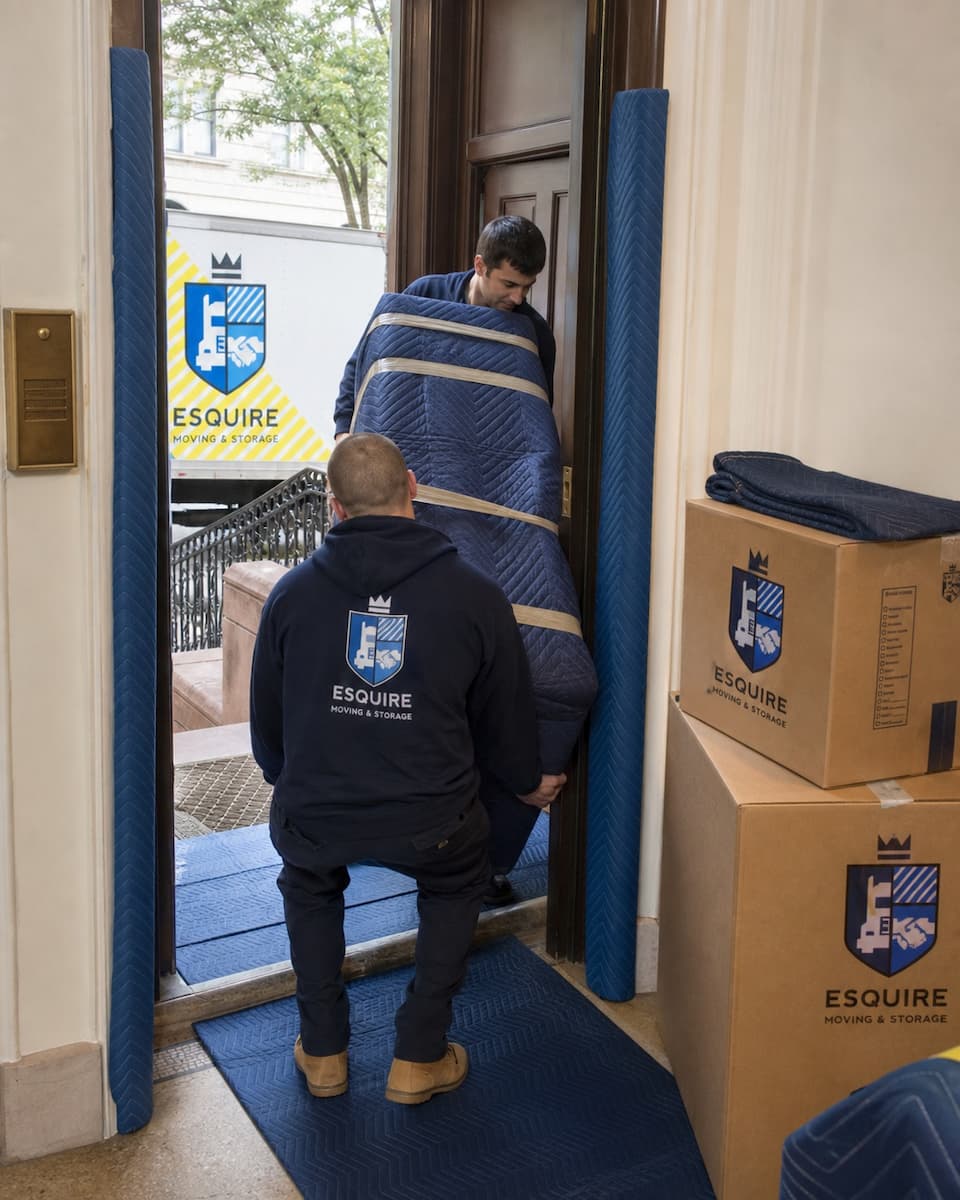
A brownstone, a walk-up, and a doorman building can sit within a few blocks of one another and still require three different move plans. Ask the property manager about approved hours, elevator or loading-dock reservations, protection requirements, deposits, and the exact certificate-of-insurance wording. A photo or video of tight turns also helps the crew prepare large furniture.
Curb access deserves its own check. New York City has designated truck routes, and trucks and commercial vehicles cannot use most parkways. Sometimes the legal loading position is around the corner, not directly in front of the entrance. The dispatch plan should reflect the address, current signs, legal loading space, and truck-appropriate routing. NYC DOT keeps its truck and commercial vehicle guidance online.
Mileage is easy to compare. Still, a useful quote must account for what is moving and what it takes to reach both homes. Compare movers using the same inventory, access notes, services, dates, and delivery expectations. Otherwise, two totals may describe different jobs.
Furniture, cartons, closets, storage areas, delicate pieces, and unusually heavy items establish the working scope.
Stairs, elevators, parking, long carries, loading docks, gates, driveways, and building hours affect the work on site.
Materials, selected-item packing, full packing, furniture protection, disassembly, and reassembly should be named clearly.
The requested dates, shipment plan, agreed delivery window, storage, and extra stops belong in the written paperwork.
Read the available liability and valuation options, make a deliberate selection, and keep the documents with your move records.
Long-distance packing has to remain secure after the first hallway and the first lift. Framed pieces need protected faces and corners. Lamps need room around shades and bases. Books travel better in smaller cartons that can be carried without failing. Furniture protection should stay in place through loading, transportation, and the walk into the Denver home.
You may pack everyday contents yourself and reserve professional help for fragile or awkward items, or schedule a broader packing service. Either choice can work. What matters is the division: which rooms, which pieces, who supplies materials, and what will be ready when the crew arrives.
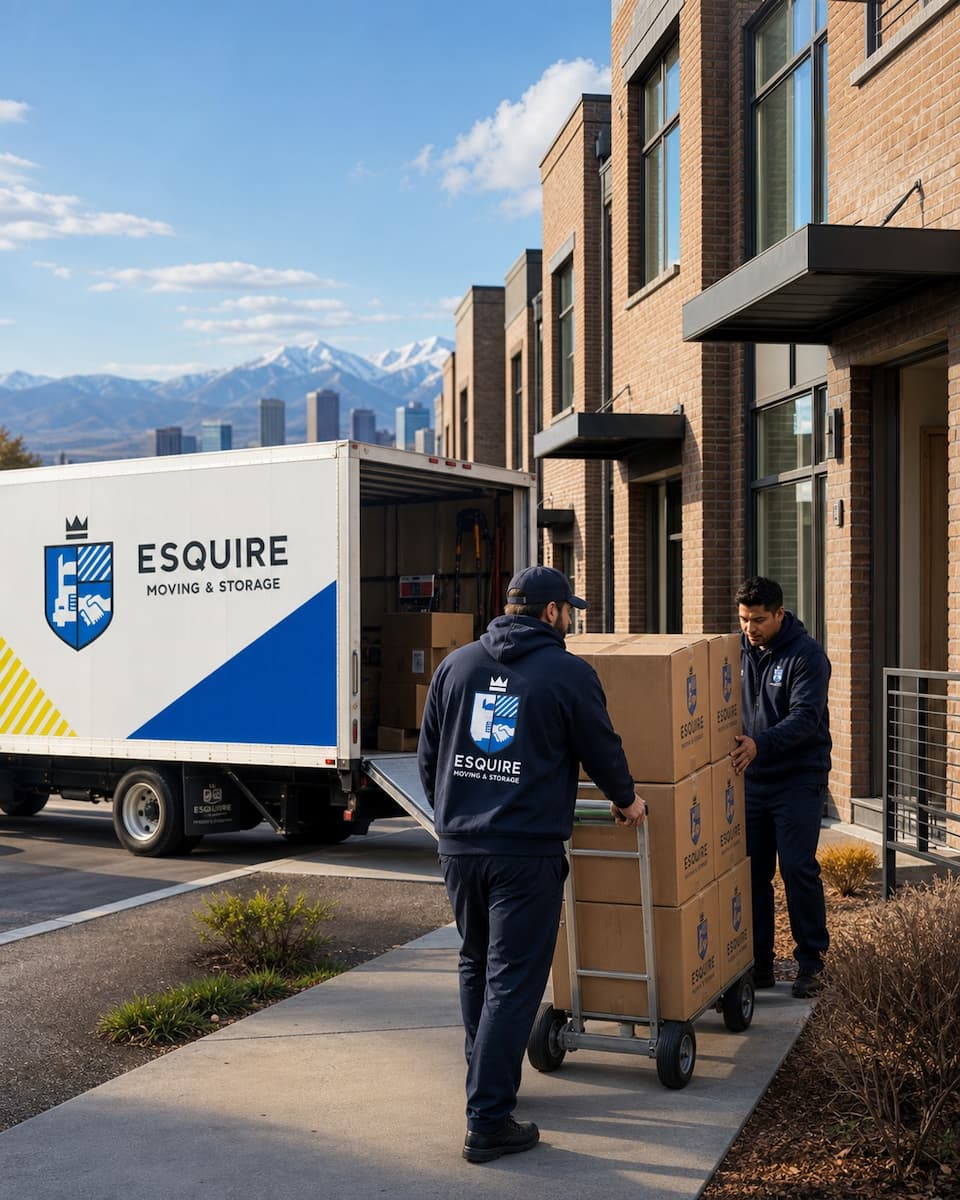
Every calendar is different, but the decisions tend to depend on one another. Even so, the order can stay simple: start with the full shipment, confirm both properties, and then lock the written scope. That keeps surprises away from the curb.
Include rooms, closets, basement or storage areas, artwork, appliances, and items likely to need special handling.
Collect New York move rules and Denver arrival instructions while there is still time to reserve access.
Check the inventory, packing, storage, stops, valuation choice, and pickup and delivery terms before signing.
Know what you will pack, what the crew will pack, and which essentials must stay outside the shipment.
Check the building contact, parking or loading instructions, keys, gate codes, elevator time, and room plan.
Direct pieces to the right rooms, review the shipment records, and keep the final paperwork together.
Put it aside before packing begins and tell the crew it is not part of the shipment. For more local preparation, read Esquire's New York long-distance moving guide.
These pages from the Esquire sitemap cover related western corridors, Colorado moves, and other cross-country destinations.
The useful questions are not limited to mileage. Access, inventory, packing, written terms, and the readiness of both properties can all change how the move is planned.
The trip is roughly 1,780 road miles. Exact mileage depends on the pickup and delivery addresses and the route used. Traffic, weather, truck restrictions, and required stops can affect the journey.
The delivery window depends on the shipment size, loading time, transportation plan, driver-hour requirements, destination access, weather, and other scheduled stops. Ask for the pickup and delivery terms in writing rather than relying on passenger-car travel time.
The inventory, access at both homes, packing and materials, transportation terms, requested dates, storage, valuation selection, and extra stops can all affect the quote. An in-home or video survey helps identify the actual workload.
Share the approved move hours, elevator or loading-dock reservation, certificate-of-insurance wording, parking instructions, service entrance, stairs, carry distance, and any pieces that may need disassembly.
Confirm the address, building contact, move-in hours, elevator or gate access, truck approach, driveway or curb conditions, unloading path, and the rooms where furniture and cartons belong.
Yes, subject to availability and the agreed scope. You may request full packing, help with selected rooms or fragile items, and storage when the pickup and delivery dates do not align.
Interstate movers must be registered with the federal government and have a U.S. DOT number. Use the FMCSA mover search to review registration status, business type, complaint information, and safety information.
Tell us what is moving, how the crew reaches both homes, and which dates or property reservations are fixed. The first conversation can then focus on your shipment instead of a generic cross-country average.
Exact ZIP codes and a complete inventory make the first estimate more useful.