The building window
Service-elevator time, Certificate of Insurance wording, loading entrance, protection rules, and legal curb access determine when loading can begin and how quickly it can proceed.




On a route of roughly 1,135 miles, mileage is the easy part to see. Esquire connects the New York building window, a realistic inventory, interstate transport terms, and Tampa access in one written address-to-address scope.
The truck has a route, but each property sets its own working hours. Treat pickup, transportation, and delivery as connected appointments instead of one long drive.
Service-elevator time, Certificate of Insurance wording, loading entrance, protection rules, and legal curb access determine when loading can begin and how quickly it can proceed.
Inventory size, selected services, loading time, the transportation arrangement, road conditions, and the written delivery terms shape the schedule between the two cities.
A loading dock, gatehouse, elevator reservation, HOA rule, driveway, or building contact can decide when the crew may unload at the Tampa address.
Road distance is only the middle of the job. It is not the schedule. Actual timing follows the addresses, shipment, confirmed property windows, transportation plan, and the dates shown in your moving documents.
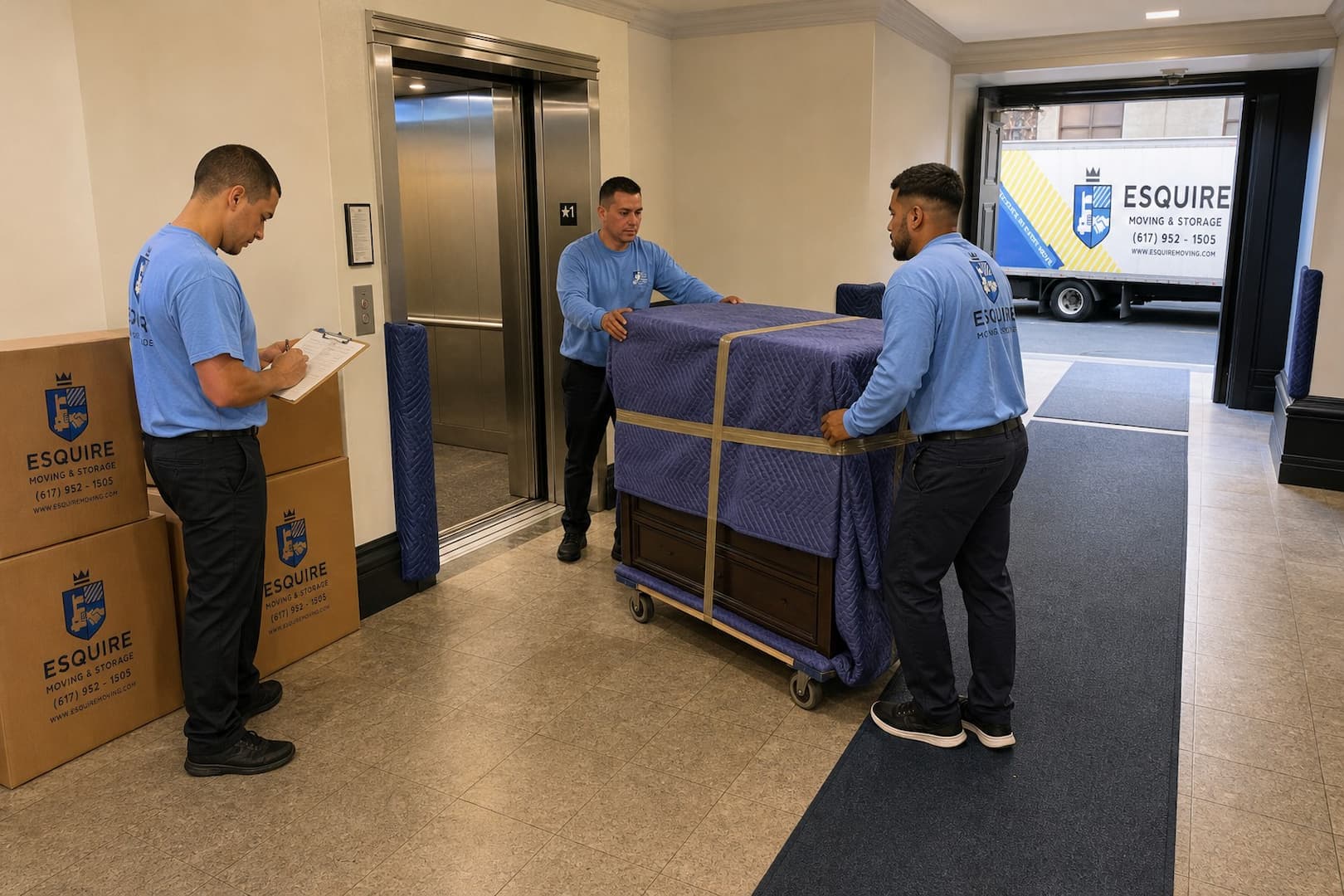
New York loading can involve more coordination than the highway portion of the trip. The crew needs to know where the truck can legally approach, which door is approved, how long the carry is, and whether the property limits working hours or vehicle size.
NYC directs trucks to its truck-route network except when a local delivery requires leaving it. That affects the last approach to the building. Borough, street direction, curb rules, and limited truck zones belong in the pickup review.
Confirm COI language, deposits, service elevator time, loading entrance, floor protection, and the on-site contact.
Record legal parking, dock clearance, one-way streets, curb distance, stairs, ramps, and any long carry.
Include rooms, closets, storage cages, outdoor pieces, cartons, fragile items, and furniture that needs disassembly.
Two estimates can cover the same route and still describe different moves. Look at how the shipment travels, which work is included, and what happens if the Tampa address is not ready.
A dedicated arrangement reserves the planned truck capacity for one shipment and may support a tighter schedule. Consolidated transport combines compatible shipments and normally works with a broader delivery window. Read the delivery language. The label alone does not replace the dates and conditions in the written agreement.
Choose the entire home or specific rooms, fragile pieces, artwork, wardrobes, glass, and last-day items.
Identify pieces that need disassembly, blankets, protective film, fitted materials, crating, or another handling method.
Review warehouse handling, monthly charges, minimums, redelivery, and the revised timing before adding storage.
Carry IDs, keys, medication, chargers, documents, basic clothing, and anything needed before final delivery.
A destination ZIP code cannot show the final carry. The address may hide a gatehouse, a low garage, or a long path from the loading bay. Delivery notes should say where the truck fits, who grants access, which entrance the crew uses, and what must be reserved.
Confirm dock hours, service-elevator reservations, COI wording, vehicle clearance, and the property contact.
Share the gatehouse process, approved vehicle list, entry code, turning room, parking position, and HOA restrictions.
Record stairs, elevator size, hallway turns, carry distance, permitted hours, and the closest workable entrance.
Check driveway grade, branches, parked vehicles, street width, walking path, door clearance, and room labels.
If delivery would occupy public right-of-way, block a sidewalk, or require a lane closure, review the City of Tampa's current guidance for the exact location. A private-property unload may only require approval from the building or HOA. Check the address before arranging any curb use.
Check Tampa right-of-way permit guidance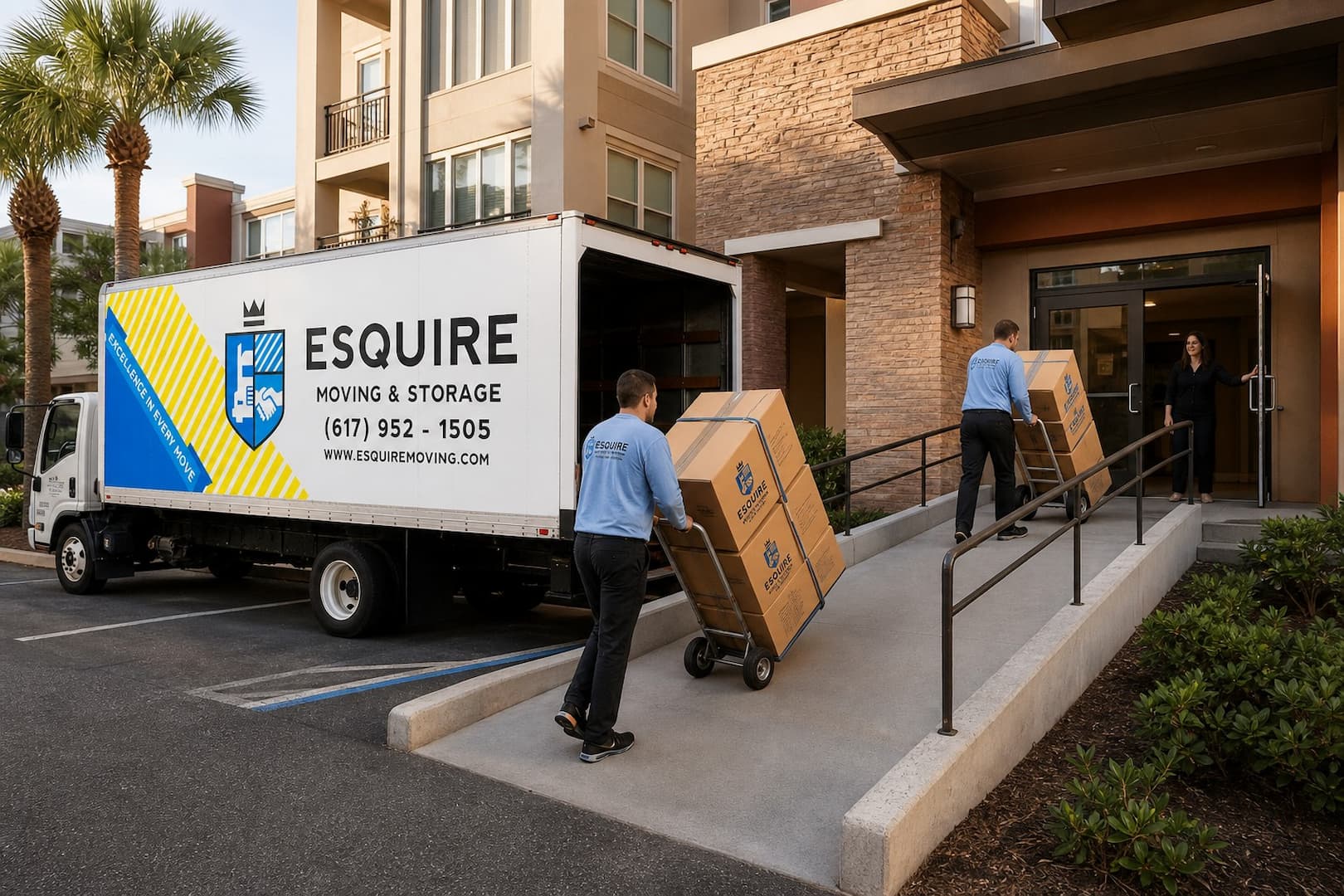
A useful estimate describes the shipment you showed, the access you reported, and the services you requested. Price alone will not show the difference. Missing details tend to surface when the crew is already committed to the address.
Furniture, cartons, storage areas, fragile pieces, artwork, appliances, exercise equipment, and unusually heavy or oversize items.
Stairs, elevator time, loading docks, curb distance, long carries, shuttles, property hours, and truck restrictions at both ends.
Packing labor, materials, crating, disassembly, reassembly, unpacking, debris pickup, extra stops, and storage handling.
Requested pickup, delivery window, dedicated or consolidated arrangement, contact process, payment terms, and storage contingencies.
Review the available protection options, declared high-value items, exclusions, claim steps, and the documents required after delivery.
Federal consumer guidance says a written estimate should include transportation and accessorial charges. Show every area and disclose special conditions early, then read the estimate, order for service, bill of lading, valuation selection, and inventory before signing. Review FMCSA guidance on unexpected moving costs.
Share both addresses, every room and storage area, fragile or heavy pieces, preferred dates, extra stops, and known building rules.
Send property instructions, reserve elevators or docks, confirm the COI, clear walking paths, and decide what will travel with you.
Review the inventory and condition notes, confirm the service documents, point out high-value items, and retain your copies.
Keep the Tampa property contact reachable, confirm the delivery appointment through the agreed channel, and avoid scheduling another contractor in the same path.
Use clear room labels, identify assembly priorities, compare the delivered inventory, and record concerns before final paperwork is completed.
Use the page that matches your destination or the broader service you need. Route-specific details are most useful once the receiving city is settled.
The road trip is about 1,135 miles between the two city centers. Actual mileage depends on the New York pickup, Tampa delivery address, truck route, road conditions, and any approved extra stop. Your estimate should be based on the complete shipment and addresses, not a map pin alone.
Loading time, shipment size, requested dates, traffic, the transportation arrangement, crew schedule, and Tampa receiving hours all affect timing. A dedicated shipment may have a tighter plan than a consolidated one, but rely on the pickup and delivery terms in your moving documents.
Ask about Certificate of Insurance wording, the service elevator, permitted moving hours, loading entrance, vehicle or dock limits, deposits, floor protection, and the building contact. Share those instructions before the estimate is finalized.
A standard unload on private property is different from occupying public right-of-way. If the truck would block a sidewalk, occupy a lane, or require another unusual curb arrangement, check the City of Tampa's current right-of-way rules for that location. Also confirm any building, HOA, gatehouse, or parking requirements.
Dedicated transport reserves the planned truck capacity for one shipment and may support a narrower schedule. Consolidated transport combines compatible shipments and usually uses a broader delivery window. Ask which arrangement the estimate assumes and read the actual delivery terms.
The estimate may reflect shipment weight or volume, mileage, labor, stairs, elevators, parking, carry distance, packing, storage, extra stops, specialty items, valuation, requested dates, and the transportation plan. A complete inventory and honest access notes make comparisons more meaningful.
Yes. Packing can cover the whole home or selected rooms and fragile items. Storage can bridge a gap when the Tampa property is not ready. Ask for labor, materials, warehouse handling, storage duration, redelivery, and timing to be shown in the written scope.
Share the two addresses, preferred dates, inventory size, access conditions, and the services you are considering. Esquire can then review the pickup, transport plan, Tampa delivery, and written scope.
Exact ZIP codes and a realistic inventory make the first estimate more useful.