Set up an efficient pickup
A fifth-floor walk-up, a doorman building, and a townhouse require different crew and equipment decisions. Show the complete route from each room to the truck during the survey.
Esquire plans long-distance moves from New York City to Miami around the shipment, both buildings, and your preferred dates. Packing, furniture protection, storage, transportation, and delivery can be arranged as one coordinated move.
Mileage matters, but it does not describe the labor at either address. A reliable plan records the carry path, parking conditions, elevator rules, and the timing allowed by each property.
A fifth-floor walk-up, a doorman building, and a townhouse require different crew and equipment decisions. Show the complete route from each room to the truck during the survey.
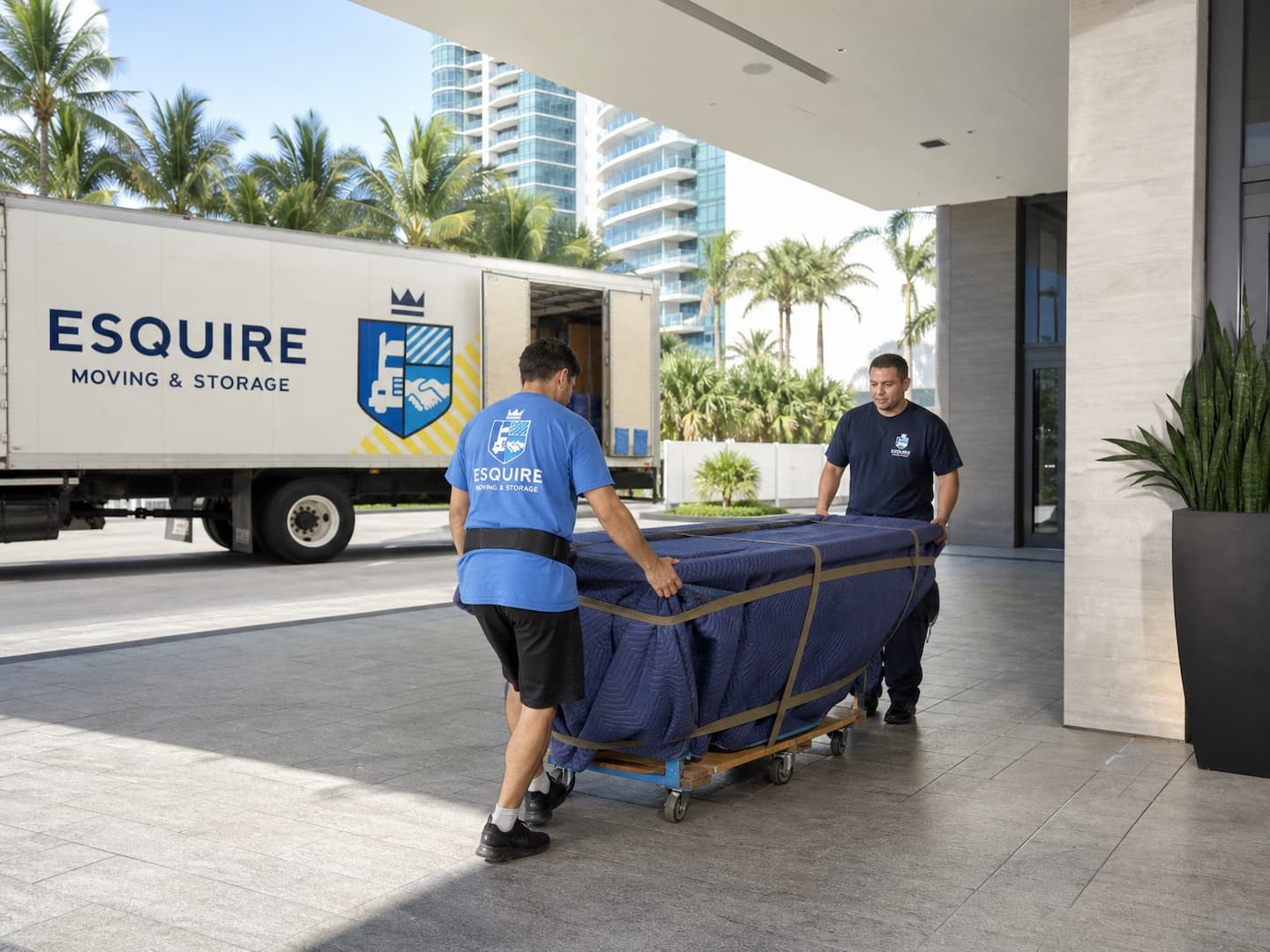
Many Miami properties control when and where movers can unload. Get the instructions from the property contact, then send the written requirements to your coordinator before delivery is scheduled.
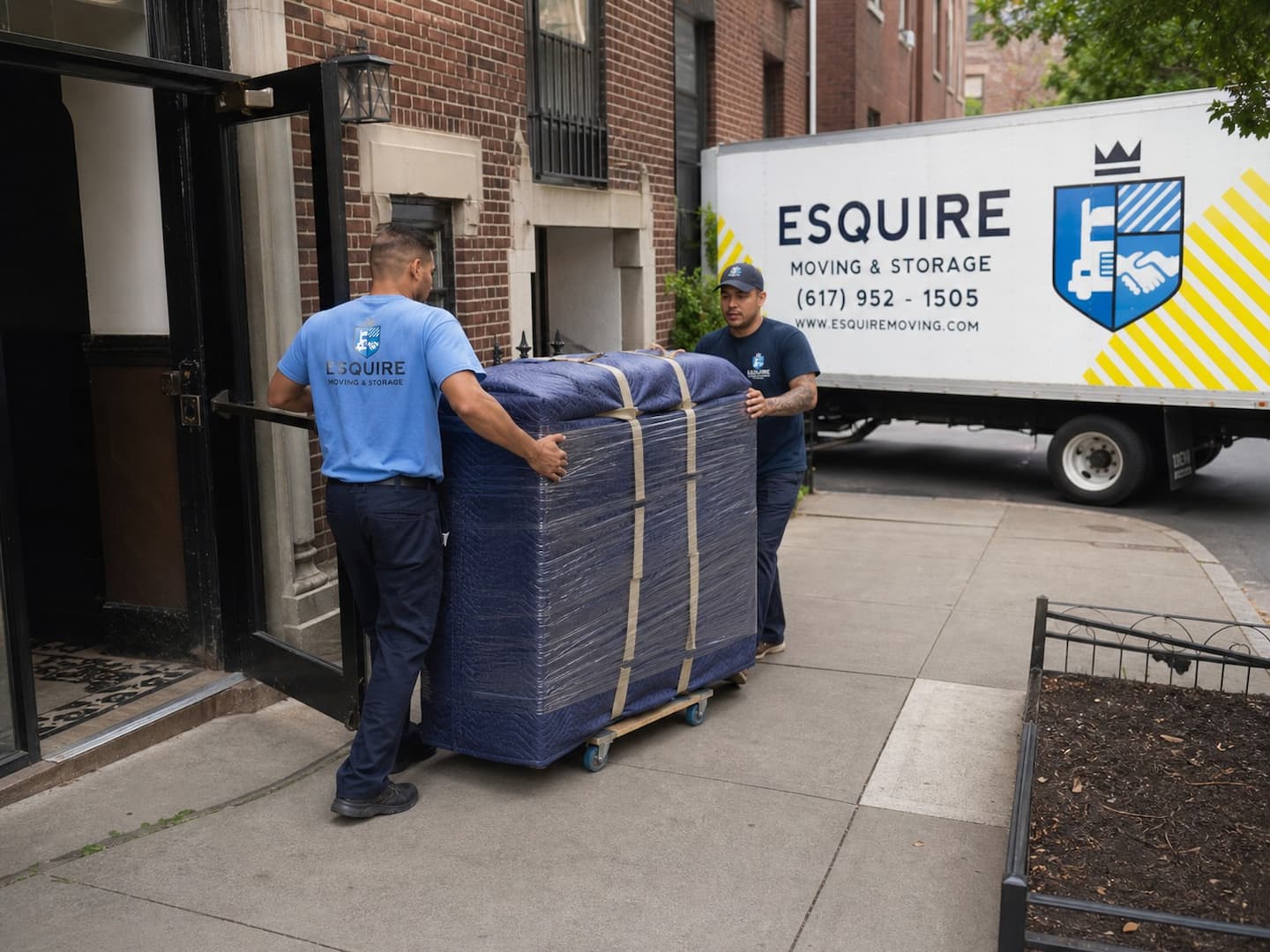
The crew needs a legal place to load and a clear path from the home. During the survey, note the building entrance, stairs, elevator dimensions, hallway turns, and any furniture that must be taken apart before it can leave the room.
Review current commercial-vehicle rules on the NYC Department of Transportation website. The posted signs at the pickup address still control.
Some households need full packing and temporary storage. Others want careful transportation with help only for furniture and fragile items. Your estimate can itemize the selected services, materials, and access conditions.
An in-home or virtual survey records the furniture, cartons, specialty pieces, storage areas, extra stops, and access at both properties.
Ask for the whole home, a kitchen, wardrobes, artwork, or other specific belongings. Packing labor and materials should be clear in writing.
The crew can disassemble appropriate pieces, use moving blankets and protective film, and secure the shipment for highway travel.
Review the requested pickup dates, delivery window, route updates, and whether the shipment moves on a dedicated or consolidated schedule.
If the Miami home is not ready, ask about warehouse handling, storage duration, redelivery charges, and the revised delivery plan before booking.
A New York pickup can begin in cold rain, snow, or road salt and end in Miami heat and humidity. The practical response is careful wrapping, a dry loading path, secure placement in the truck, and a destination that is ready when the doors open.
Interstate moving documents should match the belongings, requested services, access conditions, dates, and transportation arrangement discussed during the survey.
Check transportation, packing, materials, stairs, elevators, long carries, storage, specialty handling, additional stops, and payment terms.
The order for service identifies the work requested, both addresses, contact details, and the agreed pickup and delivery terms.
Read the bill of lading before loading. Keep your copy, the estimate, inventory, valuation documents, IDs, keys, and medication outside the shipment.
Review the inventory at pickup and again at delivery. Note missing or damaged items before signing the final delivery paperwork.
FMCSA advises interstate customers to obtain written estimates and understand whether they are hiring a mover or a broker. See the federal Protect Your Move guidance.
Delivery timing depends on the shipment and transportation schedule, but the planning steps should remain easy to follow.
Show every room, storage area, large item, fragile piece, stair, elevator, long carry, and additional stop.
Confirm packing, storage, valuation selection, access requirements, requested dates, delivery terms, and payment details.
Set aside personal essentials. The crew protects furniture, checks the inventory, loads the truck, and secures the shipment.
Confirm the appointment, clear the service entrance, direct room placement, and inspect the shipment before signing.
If the pickup shifts to another New York borough or a nearby city, these Esquire route pages can take you to the more specific direction.
Use these questions when comparing estimates and confirming the details that affect pickup, transportation, and delivery.
Request a moving quoteThe price depends on the shipment size and weight, requested dates, access at both properties, packing labor and materials, specialty items, storage, additional stops, and the transportation arrangement. A survey-based written estimate gives a clearer picture than a price based only on bedrooms or mileage.
The route is usually about 1,280 to 1,300 road miles, depending on both addresses. Delivery timing also depends on shipment size, legal driving limits, route scheduling, weather, and whether the transportation is dedicated or consolidated. Review the delivery window in your moving documents.
Ask management or the superintendent about approved move hours, the service entrance, freight elevator reservation, floor and wall protection, deposits, and certificate of insurance wording. Check the curb signs at the pickup address and send the building instructions to your mover before the schedule is finalized.
Yes. Partial packing can cover selected rooms or belongings such as dishes, wardrobes, artwork, or fragile decor. Full packing can also be added. The estimate should identify the packing labor and materials included in your plan.
Contact the property directly about the move-in window, freight elevator, loading dock, service entrance, gate access, truck restrictions, protection requirements, deposits, and certificate of insurance requirements. Rules differ by building, so get the instructions in writing before the delivery schedule is finalized.
Tell your coordinator as soon as the closing, lease, or renovation schedule changes. Storage may be available, subject to capacity and the terms of the move. Ask for the storage period, warehouse handling, redelivery charges, and revised delivery plan in writing.
Share the addresses, belongings, preferred date, packing choices, building rules, and any storage needs. Those details help define the work before the estimate is prepared.
Exact ZIP codes and property details help us prepare a more useful estimate.